
One early morning, while I was resting in my room, I heard screams cutting through the quiet of the night. They were screams of desperation. Then came the pounding on my front door, so loud that my younger siblings ran to find me. I stepped outside without understanding what was happening, and then I saw it: one of the most painful scenes I have ever witnessed.
There, right at my front door a teenage girl was being beaten by a man and a woman. As I take a second look, I recognized them. The girl was part of our Children’s Program at Project Suma, were I serve as an educator, and the people hurting her were her stepfather and her own mother, both intoxicated.
I did not think. I simply reacted. I tried to get between them to stop the fighting and protect her. Suddenly, they turned on me, and blows and punches came from both sides.
Meanwhile, the teenager trembled with fear and confusion. My parents quickly stepped in and invited her to take shelter in our home in the meantime.
Neighbors gathered, drawn by the commotion, and eventually the fighting stopped. Once the situation calmed down, the teenager along with her mother and stepfather left…
Later we learned that everything had started because of a misunderstanding. She had been at activities in a church, a church that we also attend, and arrived home a little late. Her parents, carrying years of trauma, violence and mistrust, assumed the worst. In their confusion they ended up pounding on my door, simply because they lived nearby and knew I went to that church to.
But the story behind it is even deeper.
Her mother is a woman who has survived sexual exploitation. For months she took part in our activities with her children, looking for a safe space to rebuild her life. She and her kids were taking brave steps forward. But trauma does not move in a straight line. Sometimes it slips back. Sometimes it confuses. Sometimes it paralyzes.
After the incident, both the mother and the teenager did not return to Project Suma. And although we understand their reasons, watching them walk away is painful. Not because they do not want help, but because they are trapped in fear, manipulation and patterns of violence that have marked their lives for years.
However, by law we were obligated to report the case since a teenager had been knowingly hurt by her legal guardians. But as so often happens, justice arrived late and arrived weak. When the teenager finally gave her statement, she denied everything. There were no longer any marks on her body, and she said nothing had happened. The corresponding authorities dismissed the case due to missing evidence.
This incident stayed with me for a long time. Trauma can distort reality. It can normalize what is unacceptable. It can make a victim defend the very thing that hurts them most. And those wounds do not affect only one person. They pass on to their children and then to their children’s children. Breaking that cycle is slow, delicate and requires human work.
Amid all this, I received the support of my colleagues and the Project Suma team. Through their presence I understood something important: we cannot always keep someone from stepping back, but we can always stay present. We can always remain and continue to create safe spaces.
Since that day, I have not stopped thinking about what it means to be made of the same clay. How our stories, though different, share the same fragility, the same need for care, for safety, for grace.
And I have also thought about how, when we walk with someone through trauma, many times the only thing we can do is move at their pace. Sometimes they advance. Sometimes they get lost. Sometimes they return to the darkest point. But even then, on a very basic level we remain made of the same clay. We remain human, broken and loved all at once.
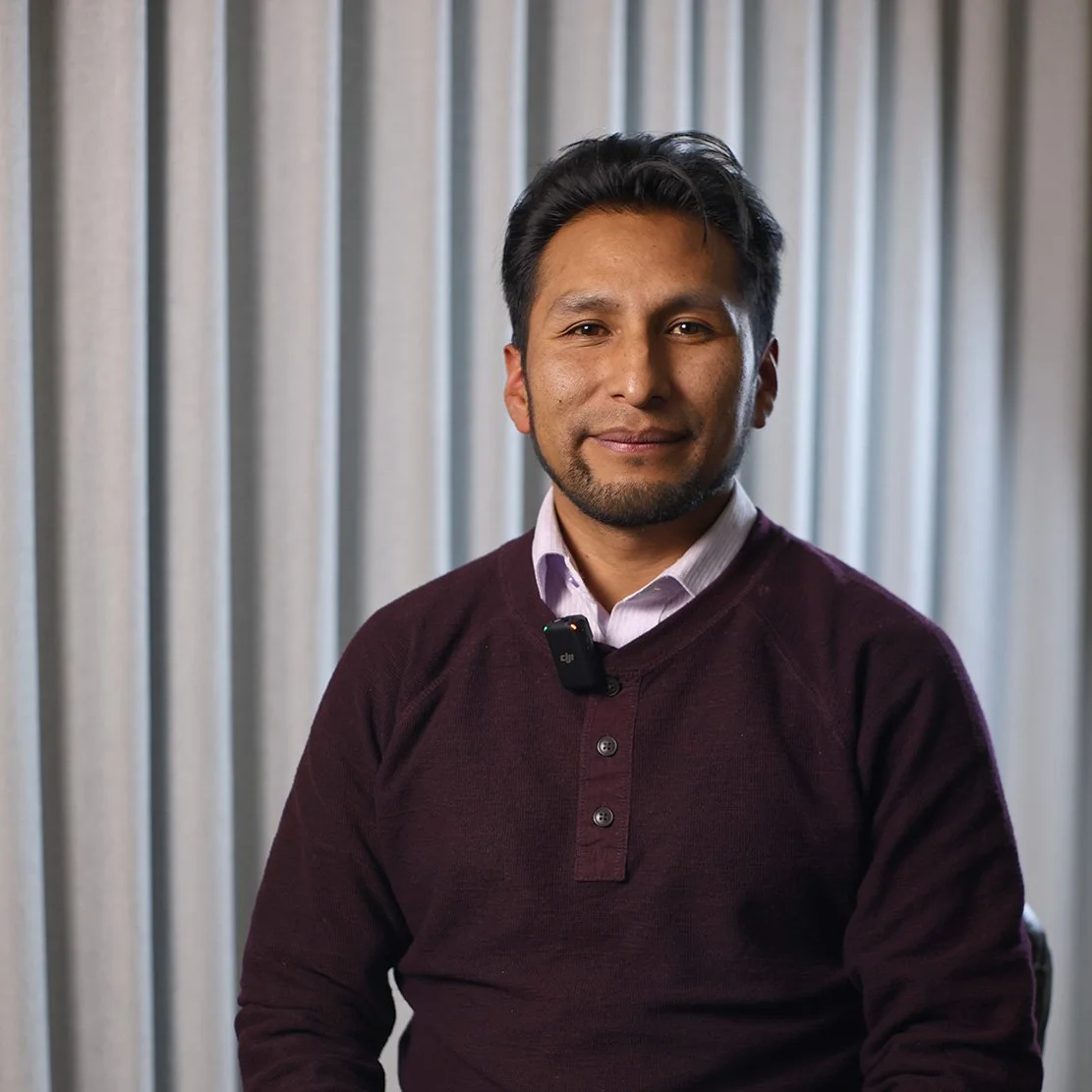
-Roger Quispe – Children’s Program Educator