
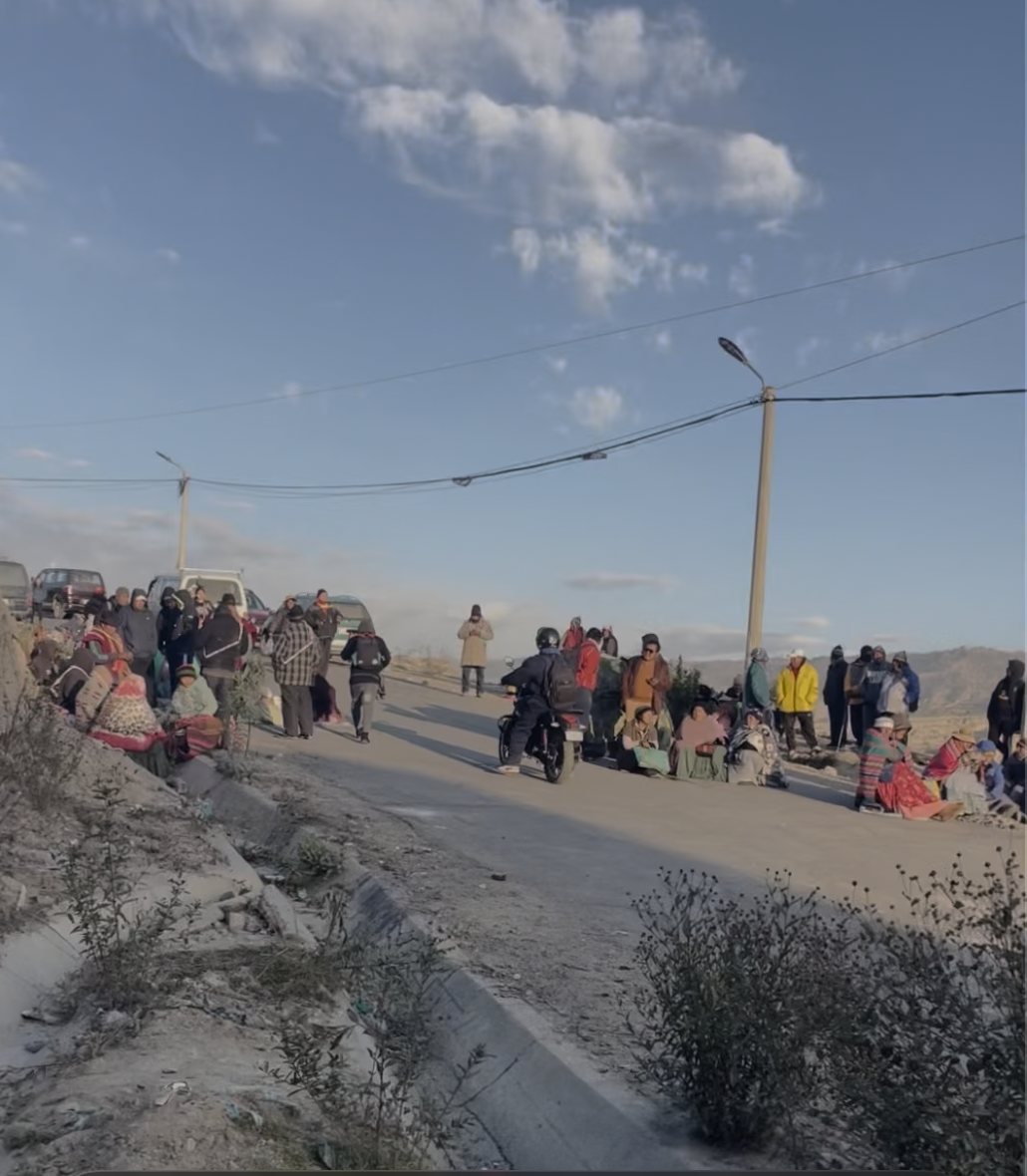
I was honestly relieved to leave Bolivia this time. My final weeks were overwhelming, navigating bureaucracy and paperwork, goodbyes and packing, while protests and unrest ensued.
At first the blockades were fun, a break from the routine with a hit of adrenaline. But soon inconvenience and exhaustion compounded. Escaping the chaos felt like a guilty pleasure. I was worn down by the constant upheaval and added inconvenience, especially when I needed to be ultra focused and productive.
So I literally wheeled my luggage past the cholitas¹ and community leaders in their red ponchos chewing their coca like tobacco and marched across the dividing lines, stepping into the world of the academic elite,

I’ve felt wobbly at Duke. Hoping to hone my skills for healing and justice, I’m disoriented here. Aware of my own privilege while Bolivia is falling apart. The internal transition always takes me longer than the 20+ hours of travel to get here.
A friend offered a gentle consolation… “You’re here to rest and resource, so you can return.”
Fred Rogers once said, When I was a boy and I would see scary things in the news, my mother would say to me, 'Look for the helpers. You will always find people who are helping.'" So from this place of relative comfort, I offer some glimpses of hope from afar:
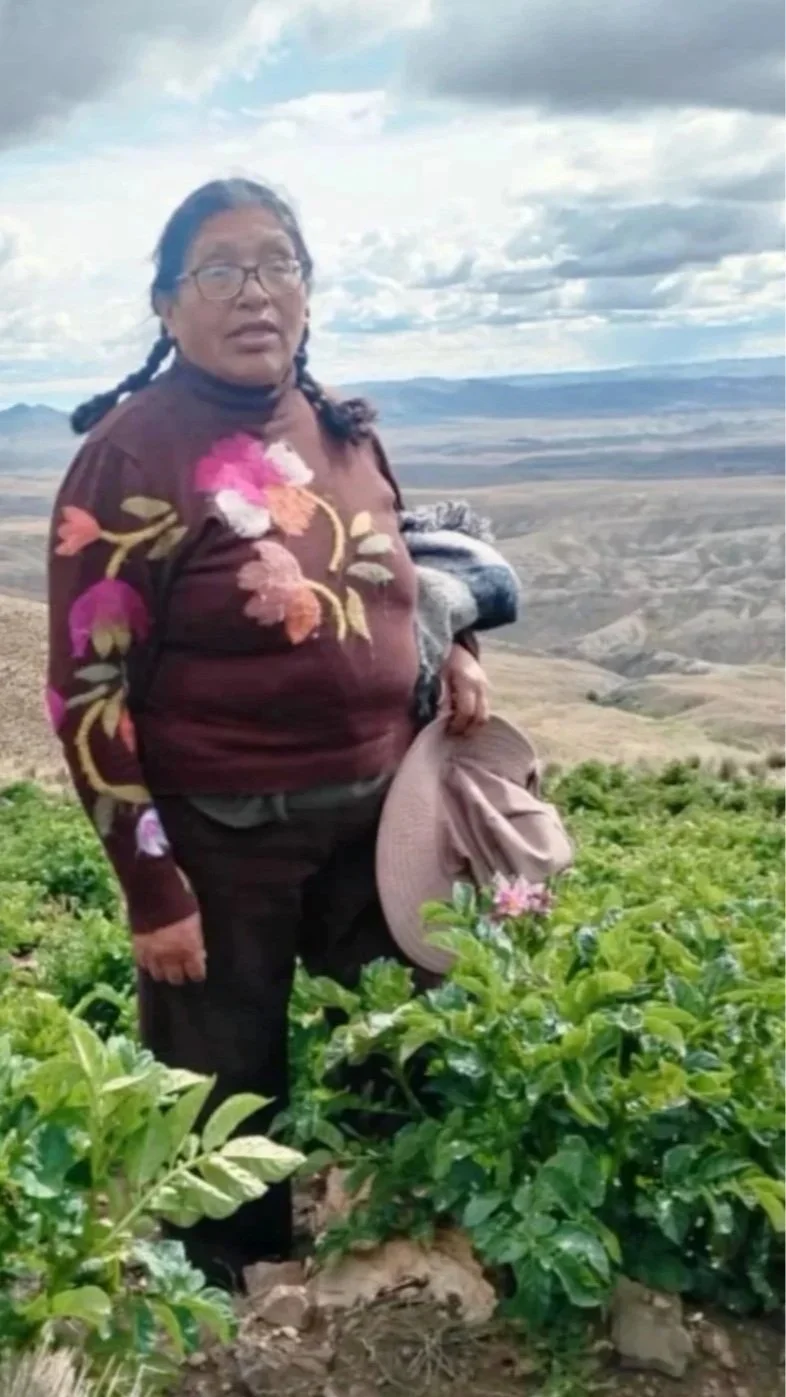
My phone rang during class, a friend calling from El Alto, Bolivia. Under the fluorescent lights in a squeaky hallway, I loved hearing the familiar way she said my name—with a “long A” and a rolled “R.”
“Do you have enough?” She asked. Worried about us in the midst of the food shortages, “I don't have meat, but I have some potatoes. I can get them to you."
I know what those potatoes mean to her. She fondly remembers her childhood in the countryside where life was simpler. And though her body is aging and health declining, she still returns to harvest the land she loves. It’s hard labor, toiling the soil without a fancy tractor or a few mules. Her back aches, hands dirty and sunburned, but she proudly carries home her bounty.
While I study theology in a world preoccupied with gluten and carbs, Alicia offers me her “widow’s mite,”² with a sack of potatoes.
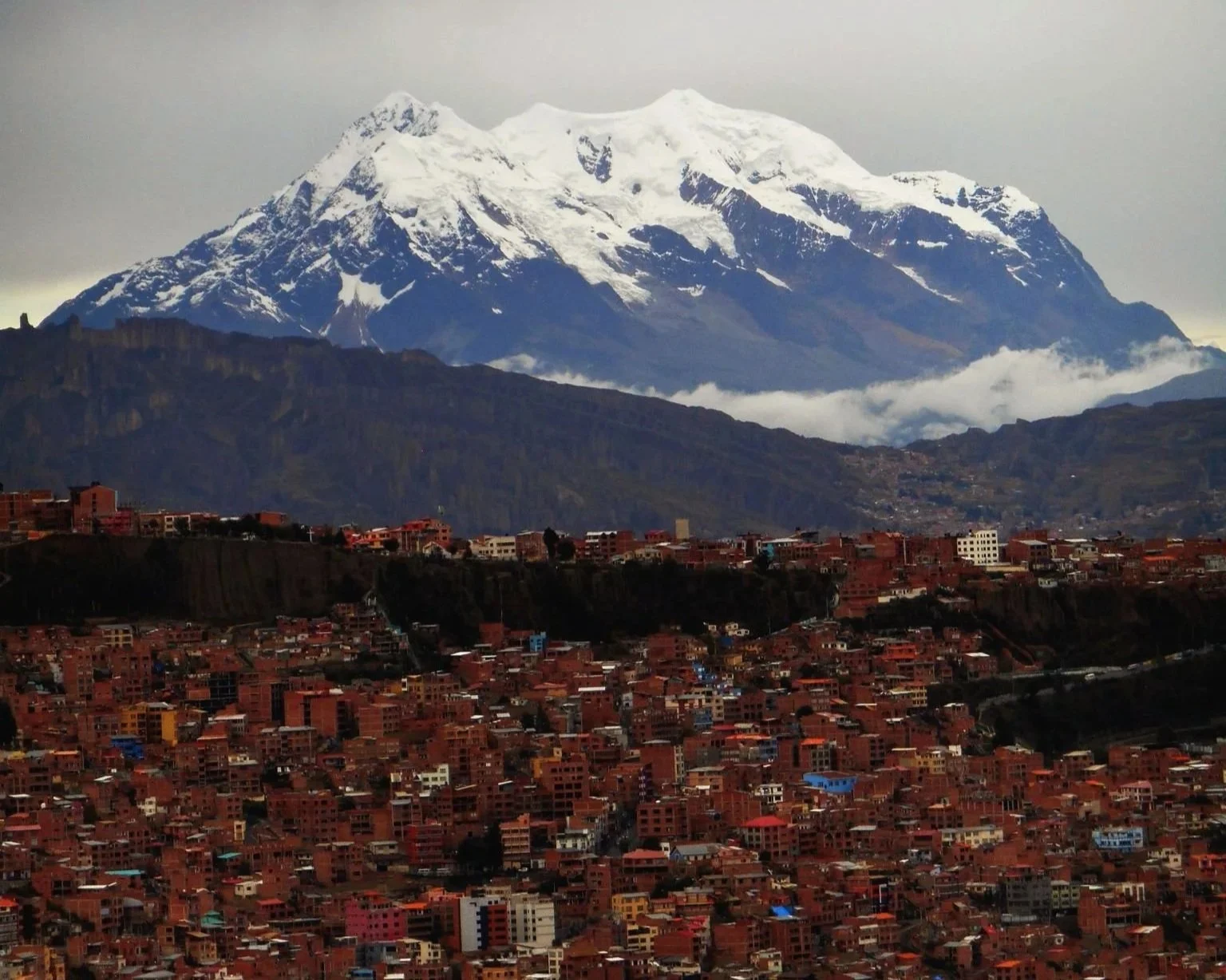
Nestled in a valley in the Andes mountains, La Paz became a strategic stop along colonial trade routes, carrying silver and gold to Europe. Indigenous revolutionary Túpac Katari first laid siege on the city nearly 300 years ago. From the high plains, he cut off supply lines to the elite who depended on those they exploited.
Today those same tactics are still being used, though the story is more complex than headlines suggest.
“They tried to fine us 300 Bolivianos [more than a day’s wage] if we didn’t go down and blockade. If we refused to pay the fine, they threatened to cut off our water!”
Others affected by the blockades directed their frustration, “These damn Indians, what a shit race.”
On one side are day laborers forced to cover 12 hour shifts in the winter cold, pressured to push a particular political agenda.
On the other side are professionals in gated communities feeling trapped in their own neighborhoods.
Both groups feel helpless and bullied. People are tired. Short-fused and angry. And further divided.
But in one pocket of the city, we witnessed a small uprising. A resistance with a glimmer of hope. When officials demanded people continue the blockades, one town finally refused:
“'¡Ya no queremos ser sus ovejas!” “We don’t want to be your sheep!”
In an agrarian context, their word choice is precise:³ we will not be driven; we will not follow blindly; we will not be bullied into fighting your war!
Despite intense community pressure, where dissenters are branded traitors, this little town found the courage to reclaim freedom.
From a distance, I find myself straddling two worlds and holding the tension: grieving the things that never seem to change and clinging to a spark of hope the size of a mustard seed.⁴
I pray that in the coming weeks, we would find peace in the city that bears her name. And I pray that my neighbors would come to know the Good Shepherd, who leads with wisdom, steadfast and kind - the One who lovingly protects and tends the flock.
- Andrea Baker, Founder & International Director, Project Suma
Indigenous women in traditional dress
Luke 21:1-4
Sheep aren’t known for their wisdom, as shown in the film, Far from the Madding Crowd. In one graphic scene, a sheepdog accidentally drives an entire flock over a cliff. It’s unbelievable - bloody and shocking. “But that’s how sheep are,” my friend explained. “They’ll follow anything.”
Matthew 17:20
Double-click to edit...